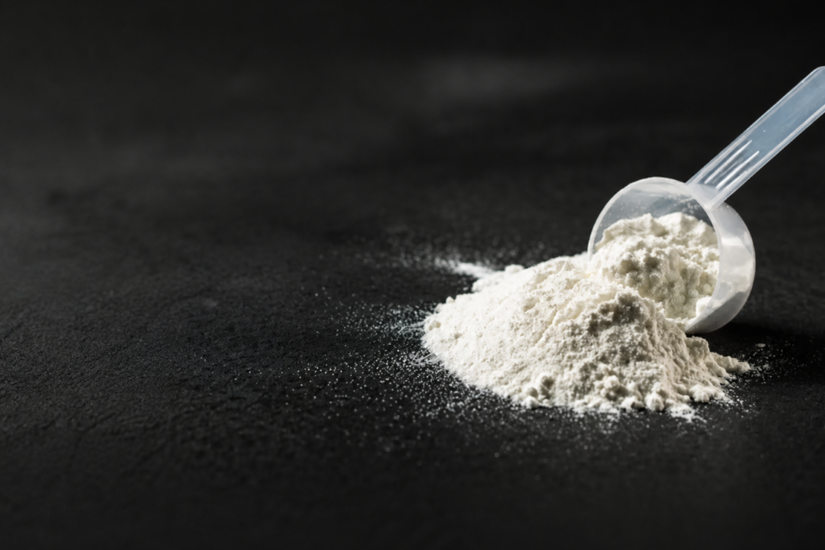




You have likely heard me or someone else mention Creatine, but what is it? Creatine, first and foremost, is an amino acid. Its purpose? Creatine helps prevent dehydration, aids faster recovery, supports cognitive function, helps you lift more, and some users even report a reduction in their “brain fog”.
Where does Creatine come from? Animal proteins, in particular red meat and fish, contain creatine naturally, but you would have to eat a pretty significant amount of those proteins to really benefit from their creatine levels, so it’s easiest to supplement with a creatine monohydrate supplement.
Does my body produce Creatine naturally? Yes, your body produces creatine naturally. It’s made in the liver, kidneys, and pancreas, and about 2/3rds of it is stored in your resting skeletal muscle, where it helps fuel short bursts of high-intensity movement. While your body makes its own supply (and you get some from animal proteins), supplementing can increase the amount stored in your muscles, which may improve performance.
So basically it goes like this:
Creatine helps your muscles regenerate ATP (long story short, it’s your body’s main source of energy) during short, intense efforts. The faster you can restore that energy, the longer you can push at a high level (maybe that’s an extra rep, a little more weight, or more explosive power). Over time, those small improvements add up. More output in the gym creates a greater training stimulus (fiber tears), and your body responds by rebuilding those muscle fibers bigger and stronger. That’s the real benefit of creatine, it helps you push harder and get more out of every workout, week after week, month after month, that’s when real strength and muscle gains start to show.
Is Creatine a steroid or a banned drug? NO. Creatine is not a banned substance, and is considered safe for normal healthy individuals.
How much Creatine should I take? I recommend 5mg of supplemented creatine daily, and you’re good to go. I prefer the powder form, which you can mix into drinks, since it’s the most bioavailable and odorless and tasteless. There are pill and gummy options out there, but research shows they’re not as effective as the powder form.
When should I take Creatine? Research indicates that it’s most beneficial when taken after your training session, and consuming your creatine with a carb can help enhance uptake. If you’re not currently taking creatine, expect to gain a couple of pounds (around 2–3) at first, from excess water, which now fills your muscles and makes you look a little more jacked in the process.
Now go take your creatine and lift something heavy 💪
~ Coach Ame
This information is for educational purposes only and is not intended as medical advice; consult a qualified healthcare professional before starting any supplement, especially if you have a medical condition or are taking medications.