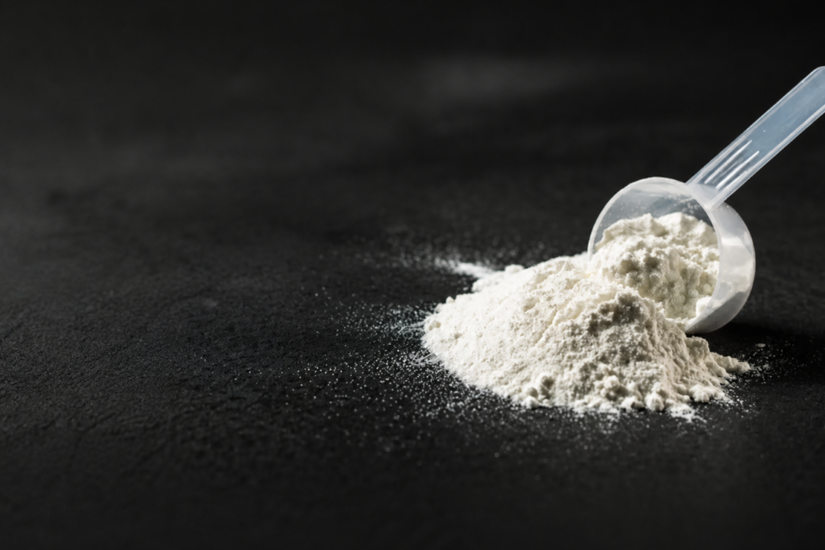




You’ve probably heard of collagen protein powder (also known and marketed as collagen peptides), but many people aren’t exactly sure what it is or why it matters. Collagen is a structural protein your body uses to support skin, joints, bones, and other connective tissues, helping everything stay strong and resilient. Your body naturally makes collagen from the protein you eat, but collagen production gradually slows over time, which is why collagen has become such a popular daily supplement for overall support.
Why Collagen?
- Supports skin elasticity and hydration — Collagen is a major component of your skin’s structure. Research suggests it can help improve firmness, maintain moisture, and reduce the appearance of fine lines, especially as natural collagen levels decline with age.
- Strengthens joints, tendons and ligaments — Collagen is a primary building material for cartilage and other connective tissues that cushion and stabilize your joints. Regular intake may help support smoother movement, reduce stiffness, and improve recovery after physical activity. Since tendons and ligaments are largely made of collagen, maintaining adequate levels helps keep them resilient and less prone to strain.
- Helps build and maintain lean muscle — While not a complete protein like whey, collagen provides amino acids such as glycine and proline that play important roles in tissue repair. When paired with resistance training and adequate overall protein intake, it can support muscle maintenance and healthy aging.
- Supports hair and nail strength — Collagen provides nutrients your body uses to produce keratin, the protein that forms hair and nails. Many people notice stronger nails that break less easily and hair that appears thicker or healthier over time.
- Supports gut and bone health — Collagen helps supply key amino acids involved in maintaining the integrity of the gut lining and connective tissues throughout the digestive tract. It also contributes to bone structure by providing the protein framework that minerals like calcium build upon, supporting long-term bone strength.
Separating Facts and Fiction about Collagen Protein:
Is collagen powder the same as protein powder?
Not exactly. Collagen powder (aka collagen peptides) is a type of protein, but it is not the same as standard protein powders designed for muscle building. Most protein powders contain a full range of amino acids, while collagen focuses on a smaller group that supports structural tissues. Think of collagen as targeted support rather than a replacement for your main protein source.
Does collagen powder have protein?
Yes. Collagen powder is made almost entirely of protein, however unlike typical dietary proteins that focus on muscle building, collagen protein is rich in amino acids that support structure, repair, and overall tissue health.
Can I take collagen and protein powder together?
Absolutely. Collagen and traditional protein powders like whey or plant protein serve different purposes, so they actually complement each other well. Your regular protein powder helps meet daily protein needs and supports muscle growth, while collagen provides specific amino acids that support joints, skin, and connective tissue.
Does collagen peptide powder count as protein?
Yes. Collagen peptide powder is made almost entirely of protein. “Peptides” simply means the collagen protein has been broken down into smaller pieces so it dissolves easily and is easier for your body to absorb. Nutritionally, it still counts toward your daily protein intake, but it is different from traditional protein powders because it does not contain all essential amino acids needed for muscle building. Instead, collagen protein mainly supports skin, joints, bones, and other connective tissues.
What is the difference between collagen peptides and collagen protein?
In most practical terms, there isn’t a meaningful difference. Collagen peptides are simply collagen protein that has been broken down into smaller chains of amino acids through a process called hydrolysis. This makes the powder dissolve easily in hot or cold liquids, improves digestibility, and allows your body to absorb it more efficiently. When you see “collagen peptides” on a label, it is still collagen protein, just in a more usable form, which is why the two terms are often used interchangeably.
Can collagen protein/peptides be used as a 1-to-1 replacement for traditional whey protein?
Not really. While collagen peptides are a form of protein, they are not nutritionally equivalent to whey protein. Whey is a complete protein that contains all essential amino acids needed for muscle growth and recovery, whereas collagen is missing some of those key components. Collagen is better viewed as a supportive add-on for joints, skin, and connective tissue, not a direct substitute for a traditional protein powder if your goal is meeting daily protein needs or building muscle.
Consider Giving Collagen Supplement a Try
If you think collagen sounds like something you could benefit from, it’s very easy to add to your routine. Most commonly, collagen protein is available in powder, capsules, or gummies. Powder is my top choice because it typically provides a higher dose per serving and is easy for your body to absorb.
Yes, I do recommend trying a daily collagen supplement (especially if you are not a big animal-protein eater), as it is generally considered very safe for the general population and an easy way to support your body over time. Like most supplements, consistency matters more than perfection, and even small daily amounts can add up. If it fits your routine and you tolerate it well, it can be a simple, low-effort addition that supports how you feel and move as the years go on.
~ Coach Ame